
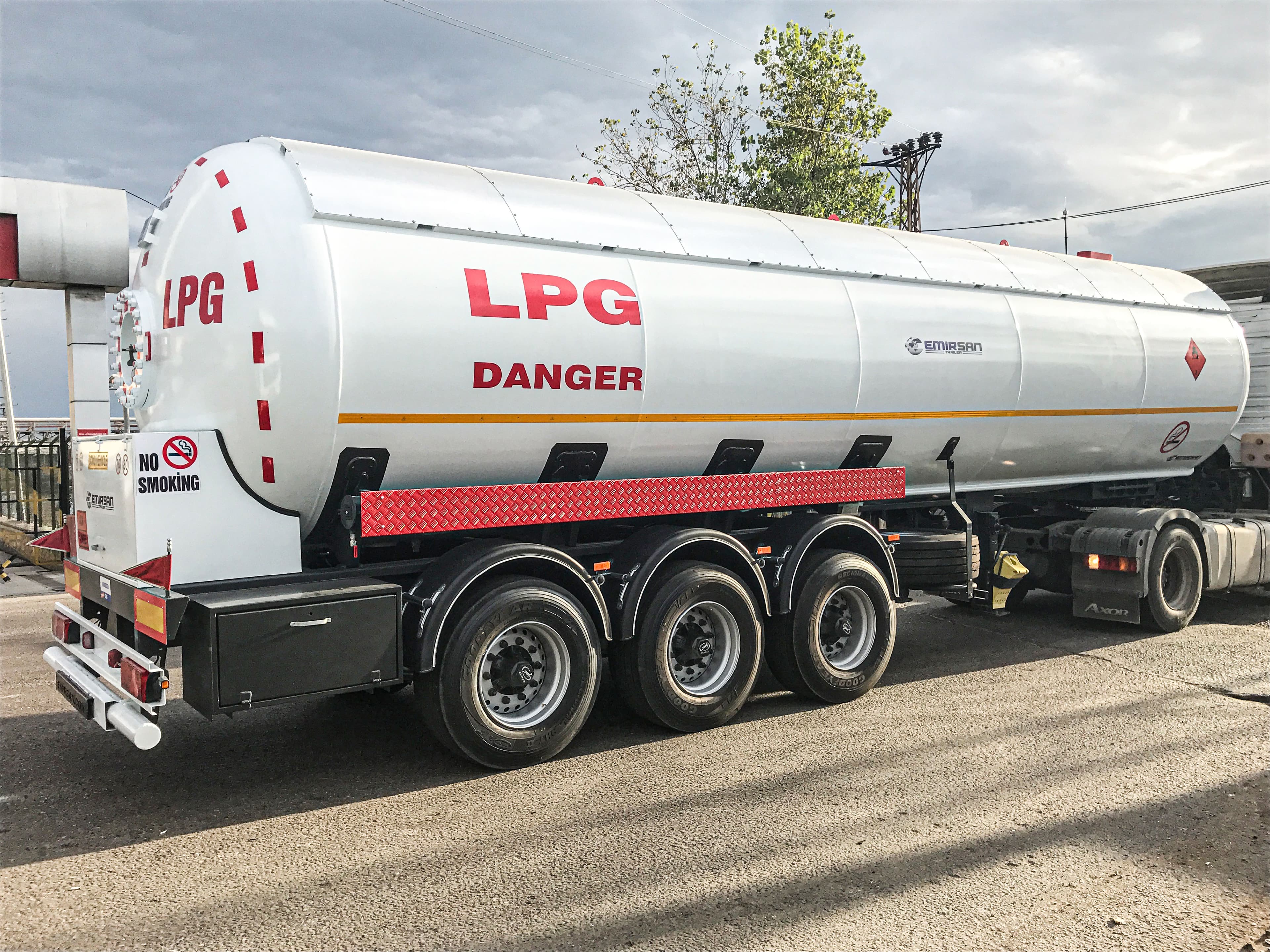
Liquefied Petroleum Gas (LPG) transportation holds a crucial position in the energy and industrial sectors. Widely used for residential heating, cooking, and various industrial processes, LPG attracts attention not only for its economic advantages but also for its environmental benefits. For these reasons, LPG tankers play a critical role in ensuring that LPG is transported safely, efficiently, and economically.
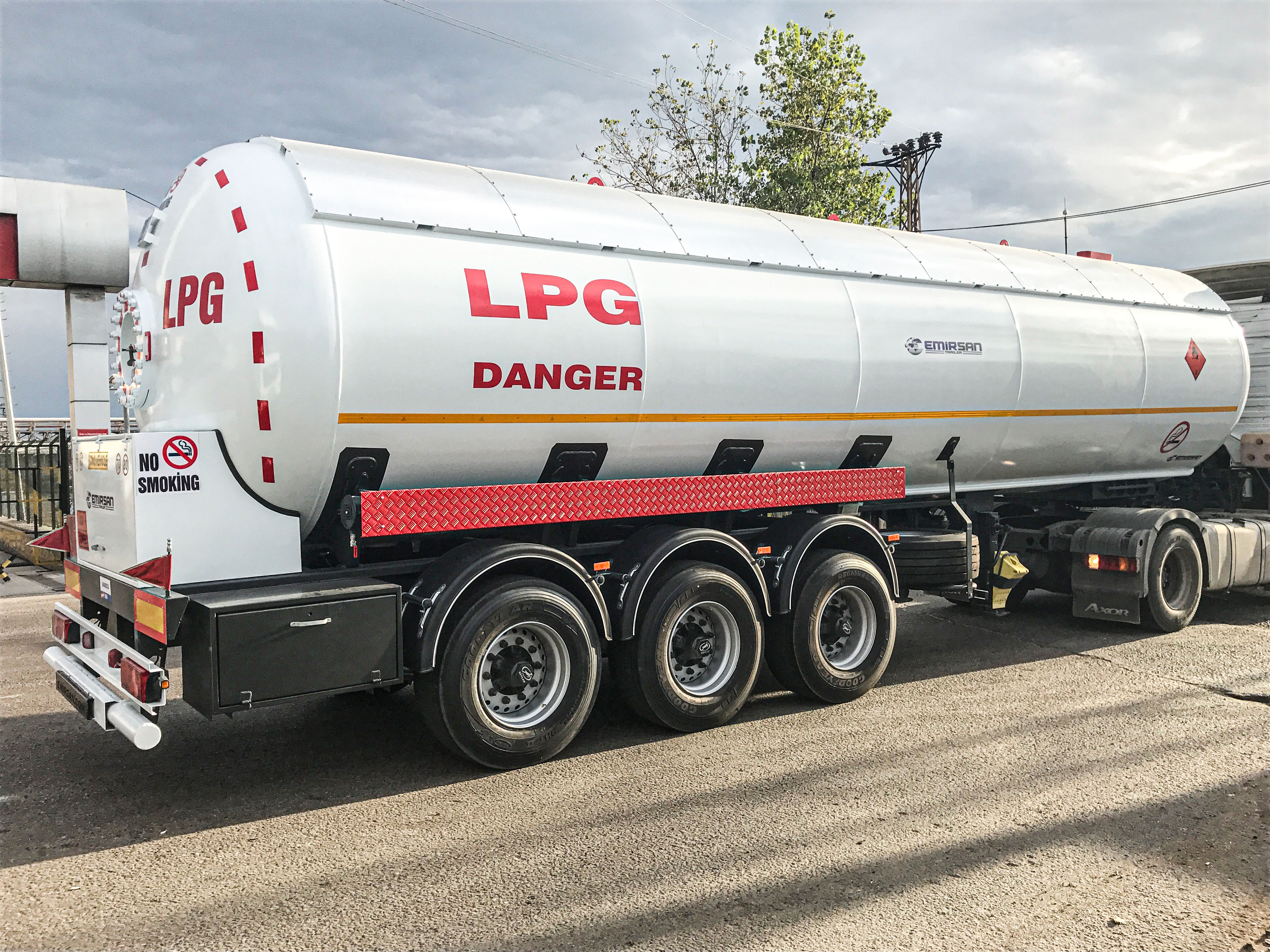
What Is an LPG Tanker?
An LPG tanker is a specialized transport vehicle designed specifically for the safe storage, transportation, and distribution of liquefied petroleum gas. Equipped with engineering solutions that keep the gas in its liquid state under low temperature and controlled pressure, these tankers are built to comply with strict international standards and regulations — an essential requirement given the flammable and potentially explosive nature of LPG.
Technical Features and Design
Structural Design
LPG tankers are manufactured using high-strength steel alloys and modern composite materials. This ensures that the tankers are resistant to mechanical impacts, corrosion, and harsh weather conditions. Advanced insulation systems lining the interior of the tanker help minimize temperature fluctuations, ensuring that the LPG remains in its liquid form. The design includes pressure regulators and temperature control systems that maintain LPG under ideal storage conditions, reducing risks during transportation.
Capacity and Modular Structure
LPG tankers are available in models with different volumes and capacities, making them suitable for a wide range of applications — from small-scale distribution operations to large-scale industrial transportation. The modular structure of the tanker can be customized to meet diverse transportation needs and specific customer requirements. This flexibility enhances operational efficiency and offers economic solutions.
Safety Measures
Given that LPG is flammable and potentially explosive, safety is the top priority in its transportation.
Leak Prevention and Insulation
The use of premium seals and valves at connection points minimizes the risk of leakage. The insulation materials used in the tanker not only prevent heat loss but also protect against external factors, ensuring a safe storage environment.
Sensor and Monitoring Systems
Integrated sensors continuously monitor critical parameters such as pressure, temperature, and potential gas leaks. This real-time monitoring enables prompt alerts to operators in case of any anomalies. In emergency situations, automatic safety mechanisms are activated to stop the release of gas, ensuring the overall safety of the tanker.
Training and Operational Procedures
Regular training for tanker drivers and maintenance personnel is essential for effective emergency management and the proper application of safety protocols. Adherence to national and international standards through regular maintenance and inspection processes ensures that the tanker remains in optimal condition at all times.
Applications
LPG tankers have a broad range of applications across various sectors. Residential and commercial distribution companies use tankers to safely deliver gas to homes and businesses. In industries such as chemicals, metallurgy, and food processing, LPG is used as an energy source for various processes. Particularly in rural areas, LPG tankers play an important role in the distribution of LPG for residential heating and cooking. LPG is sometimes used as an alternative fuel in power generation facilities, thereby enhancing energy efficiency within the sector.
Environmental and Economic Contributions
Unlike many fossil fuels, LPG burns cleaner, providing significant environmental benefits. The high combustion efficiency of LPG helps reduce carbon emissions, thereby minimizing environmental pollution. Modern tanker designs optimize fuel consumption during transportation, reducing both economic and environmental costs. Safe and efficient transportation solutions facilitate sustainable logistics practices and offer long-term economic benefits to the industry.
Future Trends
With rapid technological advancements, LPG tankers are continually being updated with innovative features. IoT (Internet of Things) technologies enable real-time monitoring of tanker status, with data analytics enhancing operational efficiency. Future integrations of autonomous driving technologies are expected to further improve safety and operational performance. As the shift towards renewable energy sources accelerates, the role of LPG as an alternative energy solution will be reassessed, potentially expanding the applications of LPG tankers.
Conclusion
LPG tankers are indispensable in the energy and logistics sectors due to their contributions to safety, efficiency, and sustainability. With advanced technological features, rigorous safety measures, and environmentally friendly designs, LPG tankers offer effective solutions to meet modern transportation challenges. They are ideal vehicles for ensuring the safe and economical distribution of LPG in both residential and industrial contexts.