
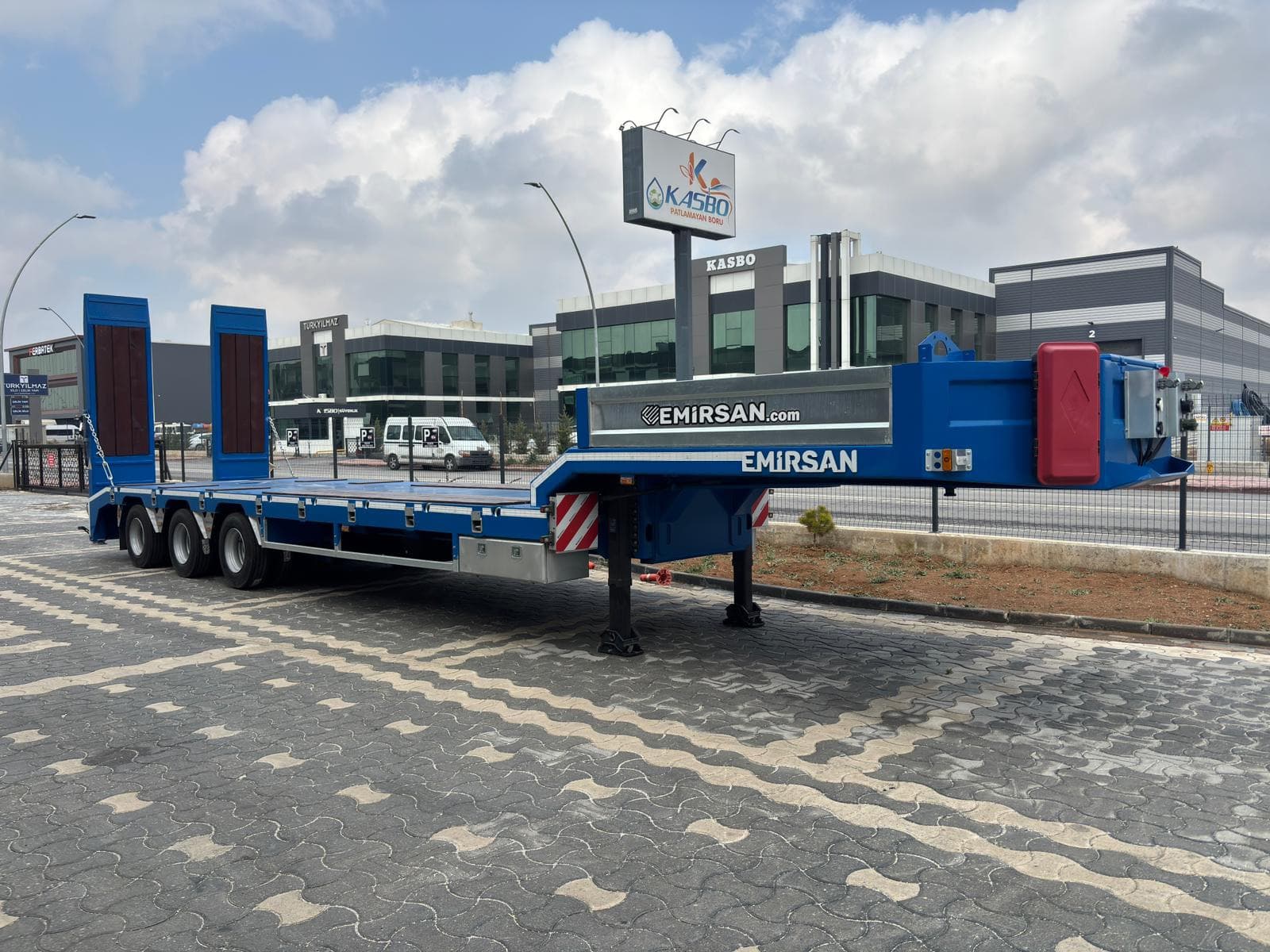
Exporting trailers from Türkiye to the EU looks simple on paper. We're in the Customs Union, taxes are zero, regulations are shared. But break one link in the document chain and the trailer waits at the border for two weeks. We've been exporting trailers from Konya to 80+ countries for 25 years, so we know this side well.
Here are notes on what people don't know or commonly confuse.
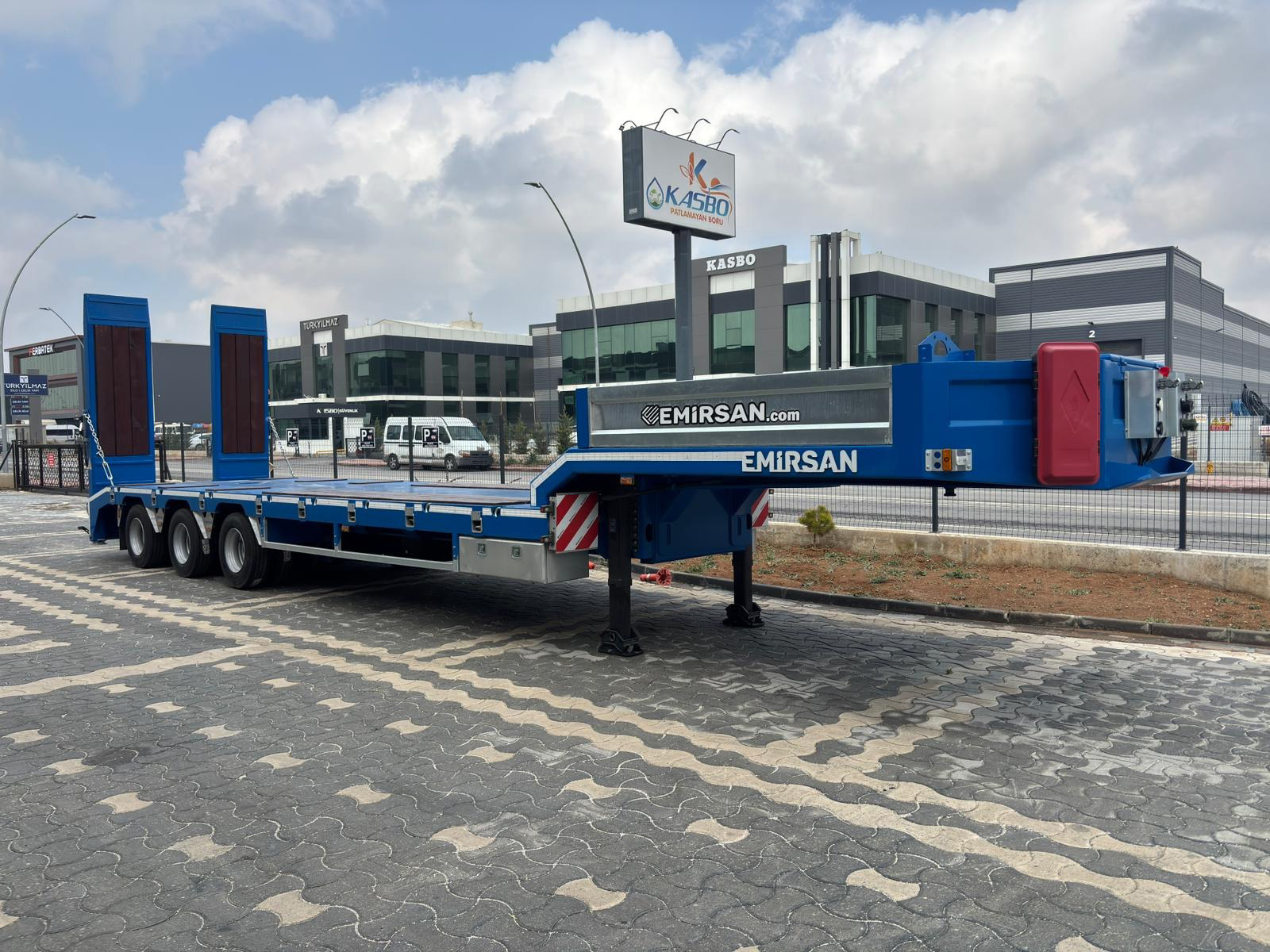
The Customs Union advantage is real but not enough by itself
Since 1996, Türkiye has been a Customs Union member with the EU. That makes customs duty zero for industrial products, A.TR Movement Certificate speeds EU entry, and technical regulations are shared (UNECE, ECE-R, 98/91 EEC).
But there's a trap here. "No tax" doesn't mean "no paperwork". Actually the opposite — because you're a Customs Union member, the EU expects stricter documentation. A missing A.TR, a missing EUR.1, or wrong INCOTERMS means a week of lost shipment.
What each document is for
The A.TR Movement Certificate is for Türkiye-EU free movement; the customs broker prepares it and declares that the product falls under the Customs Union Agreement. This is the most basic document.
EUR.1 Origin Certificate is for VAT or customs reductions that exist in the EU country. Proves Turkish origin, stamped by the Chamber of Commerce. Does not replace A.TR — they're for different things.
CE Declaration of Conformity is for road regulation, issued by the manufacturer, based on 98/91 EEC and relevant ECE-R regulations. Without it, the trailer can't operate in the EU.
Type Approval is mandatory under the newer EU directive (EU 2018/858), especially in Germany and France where they track regulations strictly. For bulk orders it's done by authorities like KBA (Germany) or VCA (UK). For individual vehicles, Individual Vehicle Approval (IVA) is an alternative.
The technical file includes chassis number, axle info, weight distribution, brake system certificate, and EBS test report. Must be filed at production stage; assembling it later is hard.
The CMR Waybill is the international transport contract; loading point, consignee, driver, plate. The invoice and packing list specify product description, HS code, value, payment terms, and INCOTERMS (EXW, FCA, CPT, etc.).
How the process actually flows
When an order is accepted, we first finalise the technical spec: axles, brakes, ramp, paint, customer-specific requests. A down payment follows; estimated delivery sits at 45-90 days.
In production, CNC cutting, welding, painting, and assembly happen in sequence. Once the chassis is done, load tests and brake tests are mandatory; only after passing does the chassis number get stamped and the COC (Certificate of Conformity) file get opened.
The seven days before shipment go to documentation. A.TR and EUR.1 applications to the Chamber of Commerce, T1 and export declaration via the customs broker, CE Declaration of Conformity signed — all in parallel.
For loading, the trailer either goes by TIR truck or on its own wheels with a Turkish plate. The driver gets the CMR, invoice, and packing list. EU entry via Kapıkule or İpsala.
The customer registers the vehicle in their country. If type approval or IVA is required, the trailer goes to an inspection centre (TÜV, MOT, DEKRA).
Common mistakes
First mistake: leaving with only A.TR and skipping EUR.1. A.TR looks like enough for free movement, but some EU countries need EUR.1 for supply-side relief. Preparing both isn't extra cost — it's a few hundred euros total.
Second mistake: not filing the brake system certificate at production stage. Without a Wabco, Knorr-Bremse, or Haldex EBS document, TÜV will fail. Recovering this later takes weeks.
Third mistake: wrong INCOTERMS on the CMR. Mixing EXW, FCA, CPT confuses who pays what. Sort it out in the sales contract first, then prepare the CMR accordingly.
Fourth mistake: bulk shipment without type approval. Individual approval (IVA) is possible per unit, but for 10+ units a bulk KBA application is much cheaper. Application takes 4-8 weeks — needs planning.
Real cost
For a tipper or lowbed going to Germany, rough line items: trailer unit price EUR 25-60K (by model); A.TR + EUR.1 prep EUR 150-300; TIR transport TR to DE EUR 2,500-4,000; customs broker EUR 200-500; TÜV registration in Germany EUR 400-800. Marine or cargo insurance is 0.3-0.8% of invoice value.
Operational overhead totals EUR 3-6K depending on the trailer price.
Summary
Building the document chain right is as important as trailer quality. Our advantage is that A.TR and EUR.1 are issued automatically with every shipment, CE documentation is ready for every product, we have 25 years of EU export experience (Germany, Italy, Romania, Poland, Bulgaria), and we offer multilingual support in EN/TR/RU/DE.
If you're stuck somewhere in the EU export process or starting fresh, send us a message — our export team will walk you through it.